The Un-Rock’n’Roll Infrastructure Behind a DIY Music Week
Lidl’s Store Finder is not a music story, but its postcode box points to the overlooked logistics that keep independent scenes moving.

There is no new single here, no surprise reunion, no grainy rehearsal-room video. Instead, this week’s most quietly useful document is Lidl’s Store Finder, a page built around postcodes, opening hours and nearby offers. That sounds far removed from independent music, which usually arrives wrapped in mythology: battered vans, late trains, cheap rooms and questionable catering. But every DIY scene runs on unglamorous infrastructure. Before the set, after the load-in, somewhere between two towns, people still need to find what is open, close and affordable.
Lidl’s page is direct about its job: enter a postcode, select the nearest store, and check opening times and available offers. It does not pretend to be a cultural guide, and that restraint is useful. For an independent band, promoter or touring photographer, a tool like this sits below the visible story. It will not tell you whether the support act is any good or whether the venue’s monitors work. It can, however, become one small part of the practical map surrounding a show—especially during long, improvised weeks where every minor decision costs time.
The page also reveals how retail language differs from music language. Lidl organises the world through food, household goods, clothing, garden equipment and its rotating “Middle of Lidl” offer. A music desk thinks in releases, line-ups and scenes; a store finder thinks in proximity and availability. Those systems rarely meet in coverage, yet independent music is full of these collisions. A merch table, a borrowed car, a shared flat, a last-minute rehearsal and a supermarket run all belong to the same ecosystem. The glamorous story only works because these ordinary systems keep functioning underneath it.
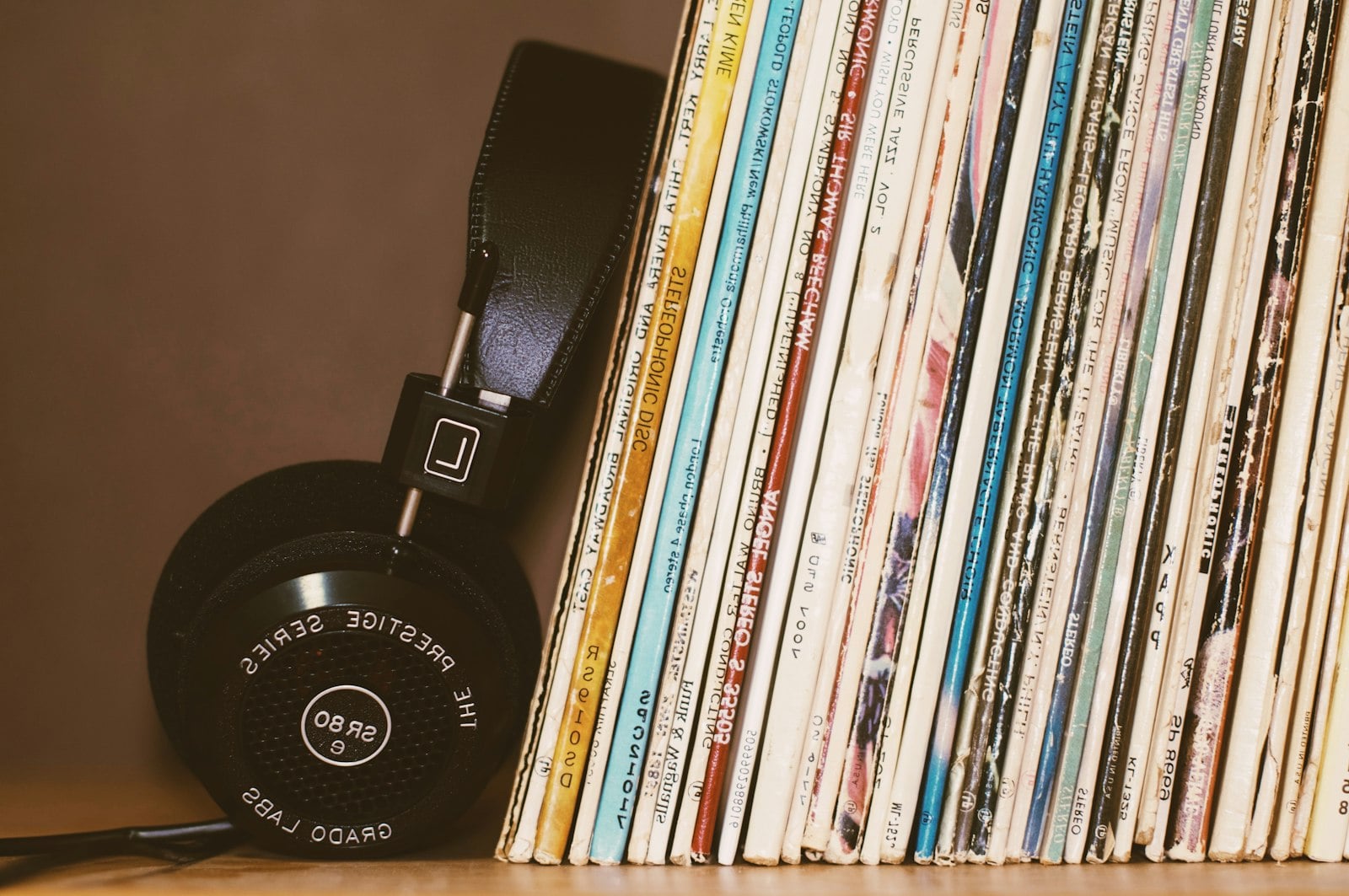
There is a faintly human detail in the page’s extras: weekly leaflets and magazines, a newsletter sign-up, and a customer feedback survey offering the chance to win £100. None of this is thrilling, but it gives the page a sense of the weekly rhythm that also shapes grassroots music. Scenes are sustained by repetition rather than constant discovery: the same rooms, routes, errands and familiar faces returning until they form something recognisable. The store finder’s appeal is precisely that it removes friction. Independent culture needs more of that than it usually admits.
So this is not a claim that Lidl has entered the indie music conversation. The supplied page contains no artist campaign, video, playlist or cultural partnership, and there is no YouTube material to embed. It is a reminder instead that music coverage can look beyond the announcement cycle. A useful weekly desk habit is to notice the systems around the scene, not just the records emerging from it. For anyone navigating a scattered run of shows, the Store Finder is a modest tool—and modest tools are often what make ambitious plans survive.
Reader notes
No notes yet. Be the first on this piece.