Squirrel Flower Embraces the Struggle in New Album 'Say A Prayer To The Gods Of Getting Going'
Ella O'Connor Williams continues to craft music rooted in landscapes, personal growth, and creative discipline, rejecting shortcuts and AI ease.

Ella O'Connor Williams, the Chicago-based artist known as Squirrel Flower, doesn’t shy away from the difficulties of making art. Over six years, she’s evolved from an Artist To Watch into a songwriter whose work is increasingly expansive, yet her core process remains rooted in respecting the organic chaos of creation. Her new album, 'Say A Prayer To The Gods Of Getting Going,' embodies this ethos, blending sprawling soundscapes with a fierce commitment to authenticity.
The album’s 11 tracks explore landscapes—both literal and emotional—that Williams has traveled through. Drawing from her time in Iowa’s wide-open spaces and the southern New Mexico desert, she paints sonic portraits of vastness, mortality, and timelessness. Williams describes her approach as painting with sound, aiming to capture the feeling of standing before ancient, enduring land that seems to hold all of time at once.
Williams emphasizes that her songwriting isn’t driven by routine or productivity quotas but by a respect for the song as a living entity. “You have to respect the song as an entity, as a sentient thing,” she explains. This philosophical stance makes the creative process strenuous, often marked by discomfort and struggle, which she views as a vital part of growth. “We don't do it because it's easy,” she says, “we do it because it’s hard and painful, and that’s not a bad thing.” The artist’s refusal to seek shortcuts is also a subtle critique of the current music landscape, where ease—often promoted through AI—threatens to flatten artistic effort. Williams recalls a quote from Mikey Shulman, who suggested that making music isn’t enjoyable anymore and that ease might be the solution. Williams counters that joy and meaningful growth come through effort, and that true beauty often arises from tectonic struggles beneath the surface.
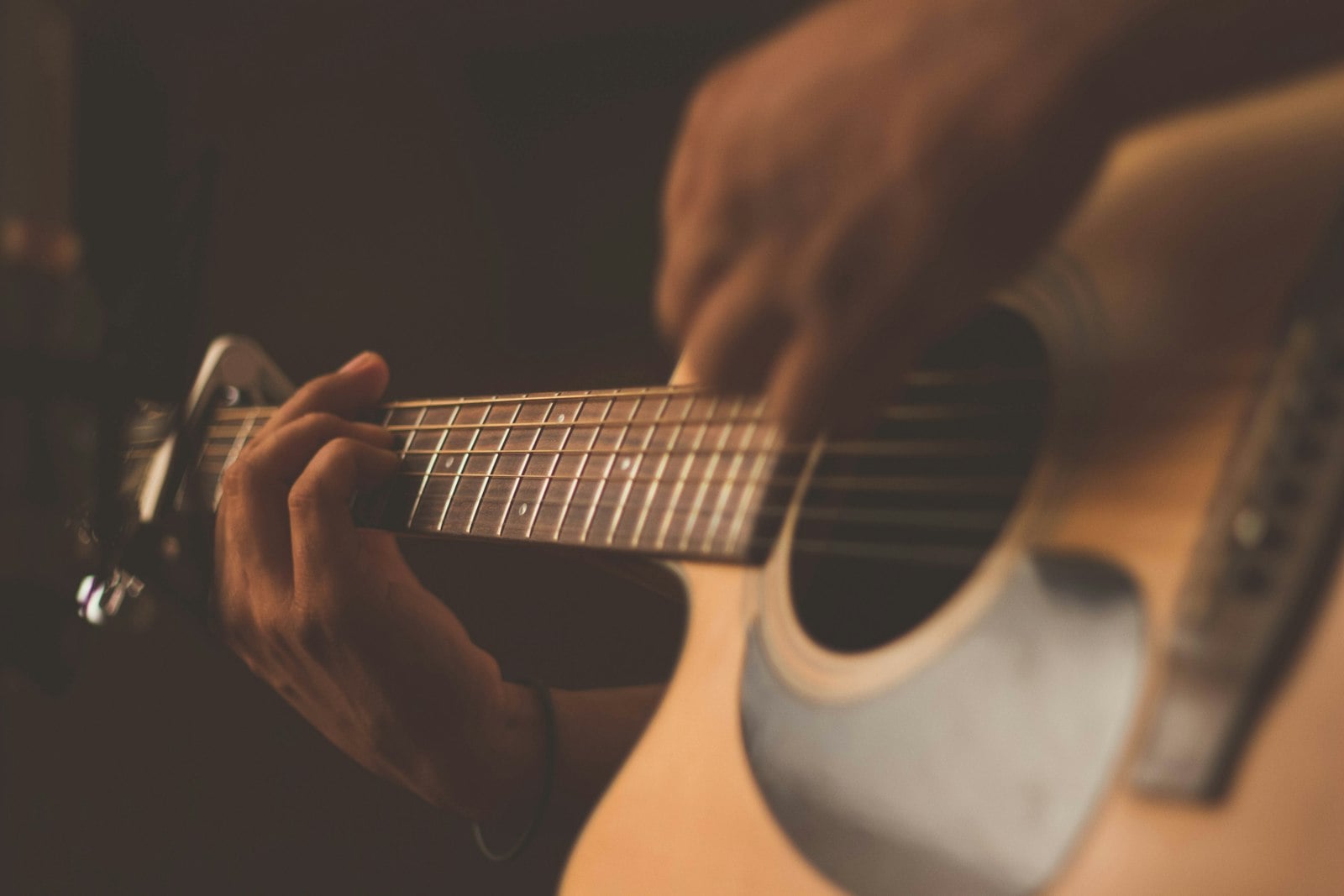
Her lyrics and melodies are deeply rooted in the landscapes that inspire her, like the expansive Iowa plains or the distant mountain ranges she experienced in New Mexico. These environments inform her songwriting’s spaciousness and slow-burning intensity, which listeners can feel in the album’s unfiltered sound. Williams sees her music as a form of service—not just to her own artistic expression but to the landscapes, communities, and stories that shape her.
A recent performance of her song “Highway Woman” illuminates her connection to these themes. She describes it as a “divine message from some other place,” embodying the kind of spiritual and emotional resonance that she seeks to evoke through her music. Her work consistently aims to forge a bond between listener and landscape, making the act of creation a conduit for something larger than herself.
Williams’ journey is as much about resisting artistic shortcuts as it is about exploring her own roots and the natural world. Her focus remains on the process—struggling, refining, respecting—that ultimately yields music that feels organic and seamless. Her refusal to make it easy redefines what it means to grow as an artist, emphasizing that the most profound work often emerges through hardship.
1 Reader note
Lo-FiLush
Ella’s landscape is a sanctuary—no shortcuts, just honest growth amidst the chaos.